Discovering Tissue: The Creative Handwritten Font for Crafters
There’s that moment in my studio, a fresh candle label mockup open on my screen, when a single click can change everything. I was scrolling through fonts for my new line of herbal candles, looking for something that felt both elegant and personal, not too formal but with undeniable charm. That’s when I found Tissue. From the first word I typed, it felt right. It wasn’t just a font; it was a voice.
The Personality Behind the Pen Strokes
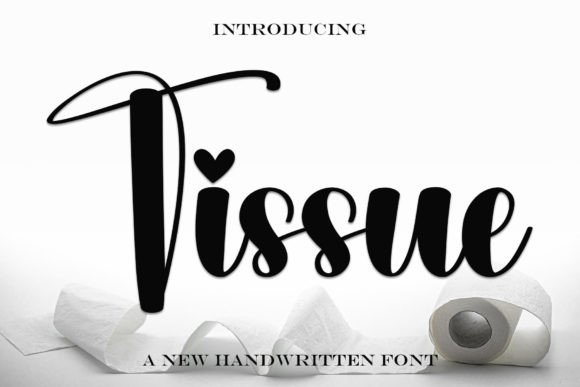
Tissue is, at its heart, a modern handwritten font that feels both timeless and fresh. Inspired by classic calligraphy, it brings that sense of balanced, graceful form into a contemporary space. Its charm lies in its impeccable variation—the letters have a natural flow and rhythm that mimic the best kind of handwritten note, one where each character has a slight personality of its own. The overall mood is warm, sophisticated, and incredibly inviting. For a crafter, this isn't just about typing words; it's about imbuing your products with a feeling of care and quality before a customer even touches them.
A Maker’s Toolkit: Where Tissue Comes to Life
When you work with physical products or digital designs, the font you choose becomes a foundational tool. Tissue has found its way into nearly every corner of my creative process.
Bringing Products to Market
For product labels and packaging, Tissue adds a layer of perceived quality. I use it for my candle jars, where the scent name like Lavender & Oakmoss written in Tissue immediately feels more artisanal. On boutique tags for hand-sewn items or ceramic mugs, the font makes simple product details feel special. For tote bags and shirts, using Tissue for a short, inspiring phrase or a shop name creates a wearable piece of art.
Crafting Moments and Memories
In stationery design, Tissue shines. It’s become my go-to for wedding invitations and welcome signs, where its elegant yet approachable style perfectly captures a couple’s personal tone. For greeting cards, whether a simple birthday wish or a heartfelt thank you, the font delivers the emotion behind the message. I’ve designed entire wedding stationery suites with it, from invites to place cards, and the consistency it brings is invaluable for branding such a personal event.
Designing for Home and Digital Spaces
Printable wall art and planner pages gain an instant handmade touch with Tissue. A framed quote for a home office or a beautifully titled monthly planner spread feels cohesive and designed, not just assembled. For digital downloads and templates—like recipe cards or holiday activity sheets—using Tissue in the previews and titles makes the digital product feel tangible and crafted.
Seasonal and Specialty Projects
Holiday tags for gift boxes, festive signs for a market stall, or limited-edition product packaging all benefit from Tissue’s adaptable style. It can feel cozy for autumn harvest markets or refined for winter holiday collections, simply by adjusting the color palette and pairing it with appropriate supporting fonts.
Practical Considerations for Creative Use
As much as we love a font’s beauty, we makers need to know how it performs in the real world.
Best Uses and Readability
Tissue is a display font, ideal for short phrases, names, titles, and decorative wording. Its strength is in making key text elements beautiful and impactful. For longer paragraphs on product cards or website blocks, pairing it with a simpler font is the way to go. When printing or cutting, consider size. For small stickers or detailed vinyl cuts for Cricut and Silhouette projects, ensure you test at the intended size—Tissue’s graceful details remain clear but need adequate space. On printed cards and labels, it renders beautifully, and in mockups for online listings, it gives products a premium, ready-to-ship look.
The Art of Font Pairing
No font lives alone in a design. Tissue pairs wonderfully with clean, minimalist sans serif fonts for body text, creating a perfect balance of elegance and readability. For a more classic feel, a simple serif font can complement it. Sometimes, for a very whimsical project, I even pair it with another, more casual handwritten font for contrast. The key is to let Tissue be the star for your headlines and focal points, supported by a functional, easy-to-read partner for any longer information.
Technical Checks Before You Sell
If you’re creating physical products, templates, or digital downloads for commercial sale, always do your due diligence with any font. Before finalizing a design with Tissue, verify its licensing covers your intended commercial use. Check what file formats are included (OTF, TTF, etc.) to ensure compatibility with your design software and cutting machines. Explore whether it includes stylistic alternates, ligatures, or swashes—these can add even more customization and uniqueness to your projects. Also, glance at its multilingual support if your market or products require other languages. These steps ensure your beautiful designs are also professionally sound.
Why This Font Resonates with Customers
The final test of any design element is how it connects. Using a font like Tissue across your product line—from your labels to your social media graphics—builds a recognizable and cohesive brand identity. Customers begin to associate that elegant, handwritten style with your shop’s quality and ethos. On an emotional level, the font’s warmth and craftsmanship appeal directly to people seeking authenticity and care in handmade goods. It engages them not just with the product, but with the story and personality behind it.
For me, Tissue stopped being just a font the moment I printed a batch of candle labels and saw the words Handcrafted with Care in its graceful script on the finished jar. It was the finishing touch, the signature that made the product complete. In the world of handmade selling and creative design, where every detail matters, the tools we choose become part of our craft. Tissue is one of those tools—a pen for the digital age, waiting to write your story onto your next project.